
Project Snapshot
Year: 2020
Role: 3D Artist · Visual Systems Designer · Technical Art Direction
Tools: 3ds Max, Photoshop, After Effects, Trapcode Particular
Project Type: Concept Visualization / Real-Time Tactical RTS
Overview
This project showcases the real-time tactical visualization system developed for a defense client. The work centered on creating a clear, unified visual language for complex battlefield data, integrating 3D environments, UI systems, and motion design into a single coherent presentation.
The final visualization was used in a high-stakes SBIR presentation and contributed to the successful award of Phase I and Phase II contracts with the U.S. Air Force and Space Force.
Objectives
- Communicate complex tactical and sensor data with clarity and hierarchy
- Develop a visual and motion language that enhances situational awareness
- Integrate 3D terrain, units, and effects with 2D UI/HUD systems
- Support a high-level defense presentation requiring precision and technical storytelling
- Deliver a polished, narrative-driven sequence combining UI/UX, motion, and 3D visualization
Design Approach
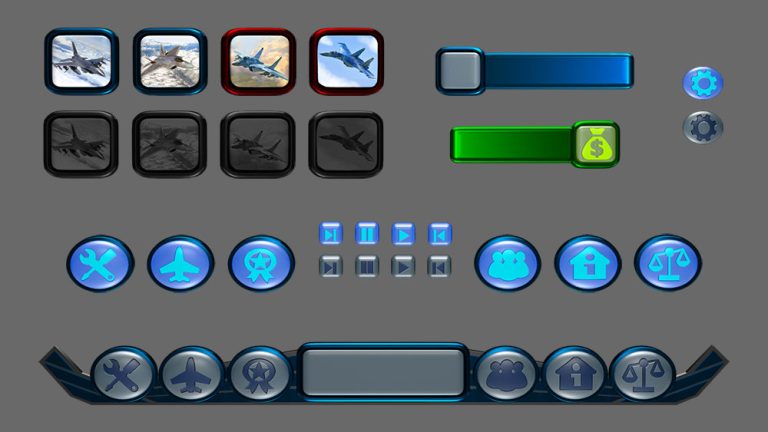
1. Clarity in Information Hierarchy
Designed a structured visual system that keeps priority information immediately readable. Iconography, line weights, contrast, and UI grouping were developed to create a disciplined hierarchy that supports quick comprehension during tactical decision-making.
2. Motion as Meaning
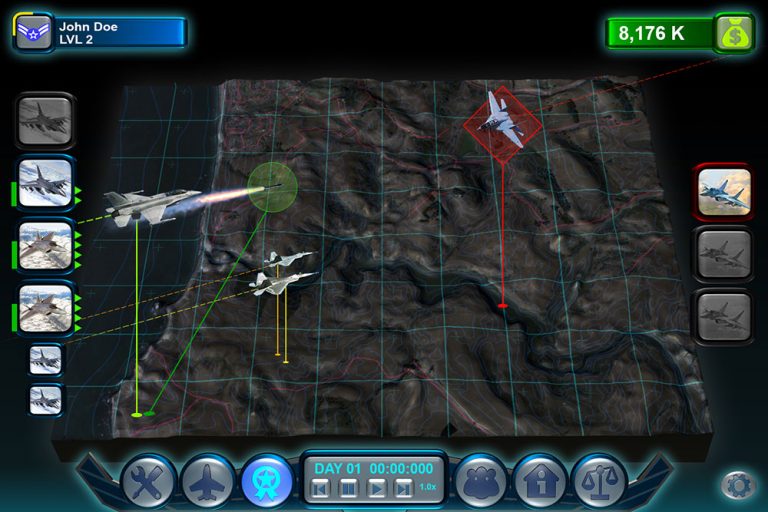
Motion was used as a functional part of communication, never decorative. Animations reflect:
- Unit state changes
- Threat escalation
- Progression markers
- Proximity and event triggers
- Sensor sweeps and target locks
These motion cues help explain system behavior and reinforce situational awareness.
3. Cohesive 3D + UI Integration
3D terrain and unit renders were composited with UI overlays, accepting the limitations of real-time simulation while maintaining clarity. Lighting, color palette, and compositing choices supported the goal of crisp, information-forward presentation.
Redacted Presentation Materials
Redacted Sample — Layout & Design System Only
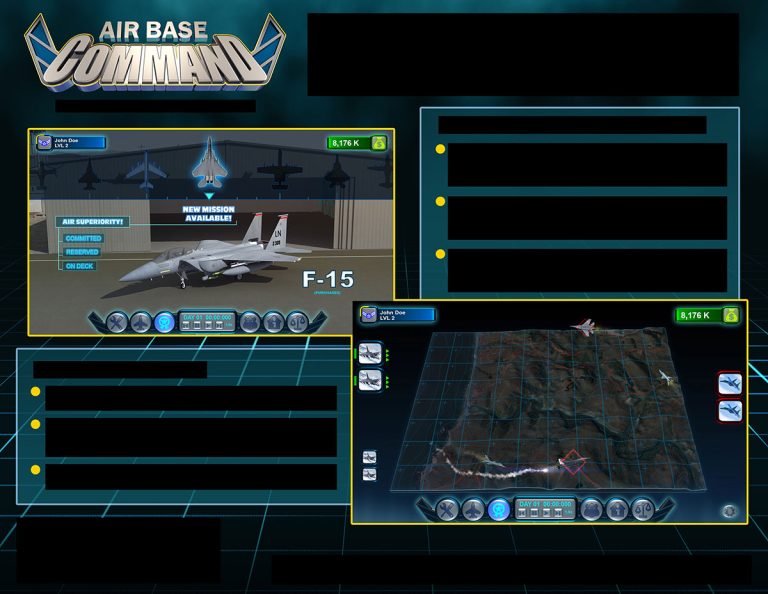
Content inside this document has been removed due to project sensitivity.
This example preserves the design system, typographic structure, and information hierarchy created for the SBIR presentation while redacting all operational content.
Content removed for confidentiality. Layout and structure shown for demonstration purposes.
Outcome
The final visualization sequence and supporting materials were used directly in the client’s SBIR presentation, contributing to the successful award of both Phase I and Phase II contracts.
This project highlights:
- Technical storytelling
- System-level visual design
- Real-time simulation visualization
- Motion + UI integration
- Clarity under complexity
- Experience working within defense constraints
Tools & Techniques
The final visualization sequence and supporting materials were used directly in the client’s SBIR presentation, contributing to the successful award of both Phase I and Phase II contracts.
- 3ds Max — modeling, lighting, rendering
- Photoshop — UI assets, textures, visual refinements
- After Effects — motion design, compositing
- Trapcode Particular — particle and environmental effects
- UI/HUD Design — iconography, visual hierarchy, color logic
- Real-Time Simulation Integration